How to Modernize a Traditional Home Without Losing Its Character
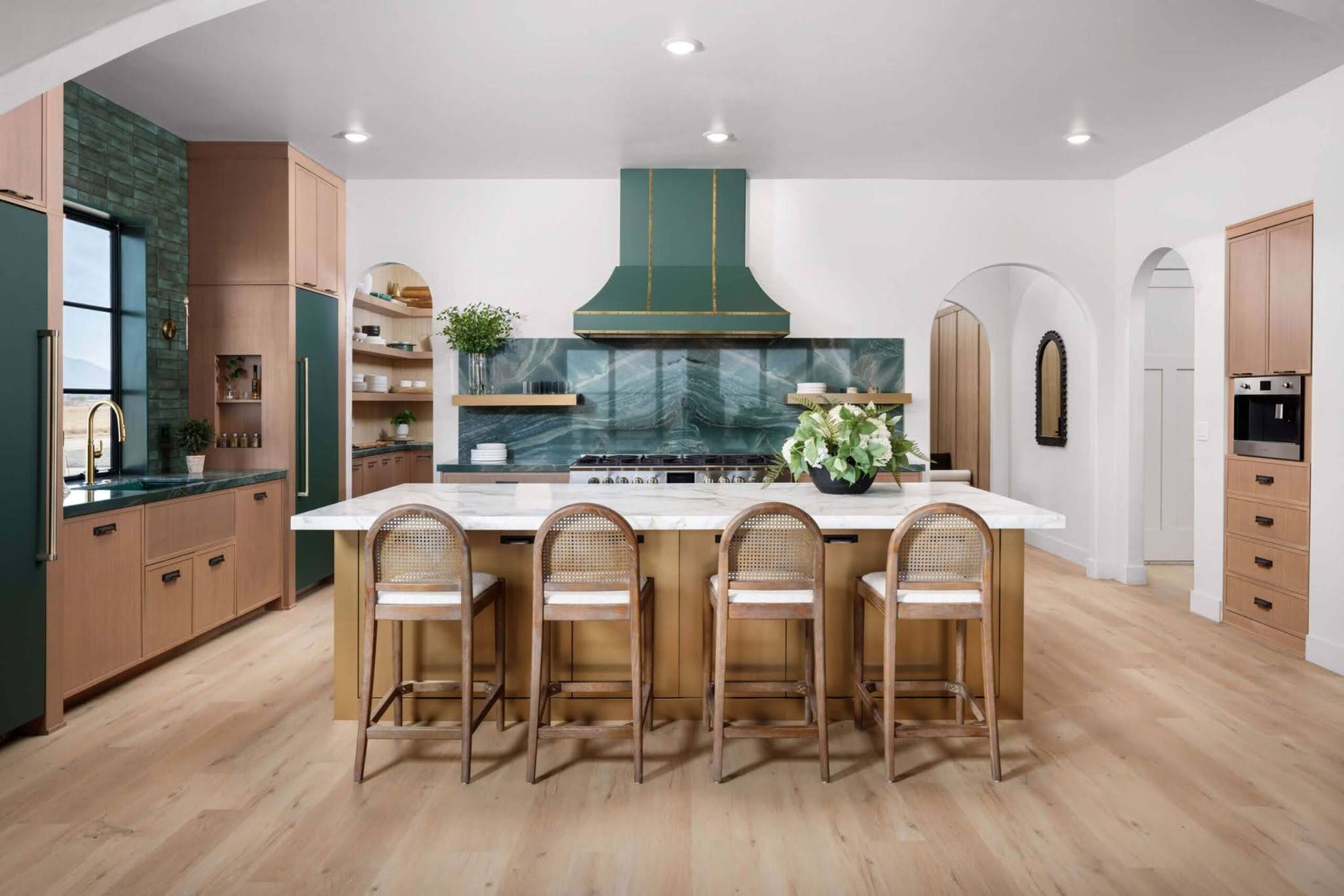
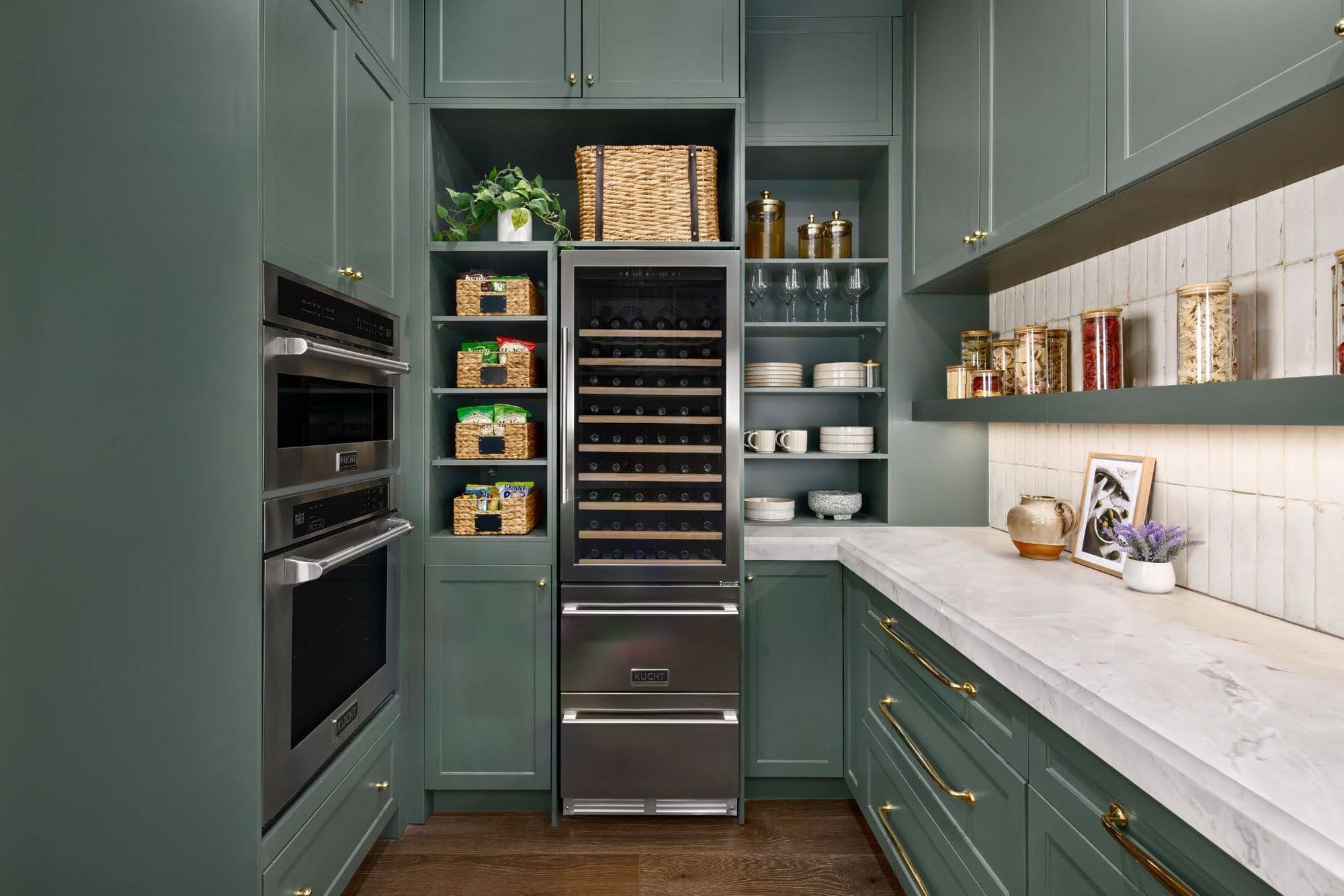
Kitchen featured on HGTV’s Rock the Block, Season 6, showcasing Florida Tile’s Storied Collection in Nettle Green.
There’s a lot to love about a traditional home. Original woodwork, built-ins, fireplaces, detailed cabinetry, hardwood floors—those are often the features that made you love the house in the first place.
But that doesn’t mean every finish around them has to stay frozen in time.
We see this often in our showroom: homeowners want their kitchen, bathroom, entryway, or fireplace to feel fresher, but they don’t want to renovate away the character. The good news is, you don’t have to.
The right tile can help bridge old and new. A more current color, cleaner scale, or updated take on a classic shape can change the way a room feels while still making sense with the home around it.
Here are a few places we usually start.
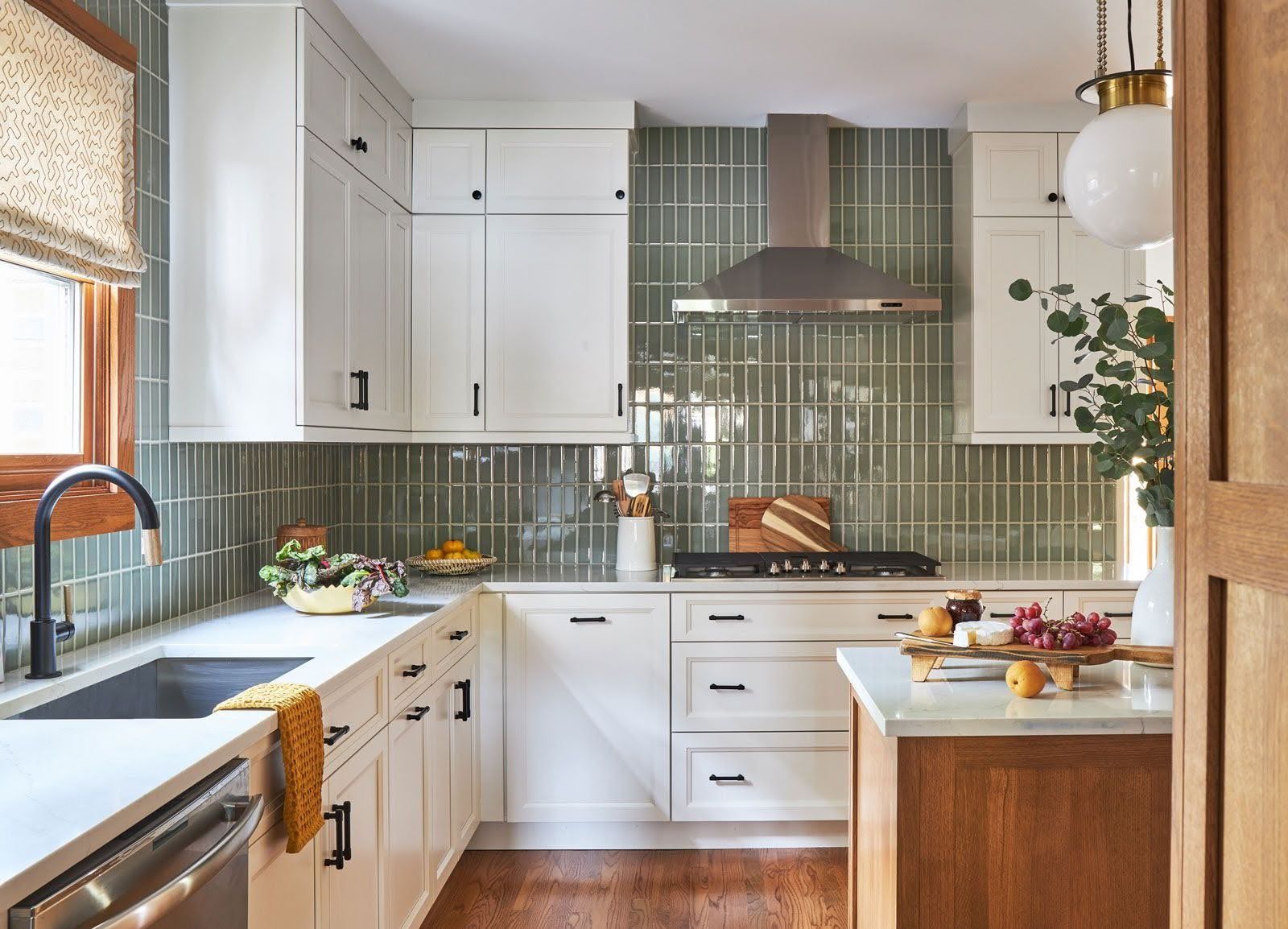
Storied by Florida Tile | Traditional cabinetry + warm wood + a softer, handmade-look tile = fresh without feeling overly modern.
What Should You Keep When Updating a Traditional Home?
Before deciding what to change, take a look at what already gives the home its personality.
Maybe it’s dark wood trim, built-in cabinets, a brick fireplace, paneled walls, or an older vanity that still has plenty of life left in it.
Those features can actually make choosing new tile easier because they give you a starting point.
We usually encourage homeowners to think about three things:
- What do you genuinely like?
- What is in good condition?
- What gives the house its character?
That doesn’t mean every original feature has to stay. An old tile floor may be worn or dated, and materials added during a previous renovation may not fit the character of the home at all.
The goal is to keep what’s worth keeping and be thoughtful about what you change. Once you know which features you want to work around, you can choose new materials that complement them while giving the room a fresher, more updated feel.
Keep vs. replace test:
Keep original materials that are well-made, difficult to replicate, or architecturally connected to the house. Replace finishes that are damaged, impractical, or clearly from a later renovation that doesn’t fit.
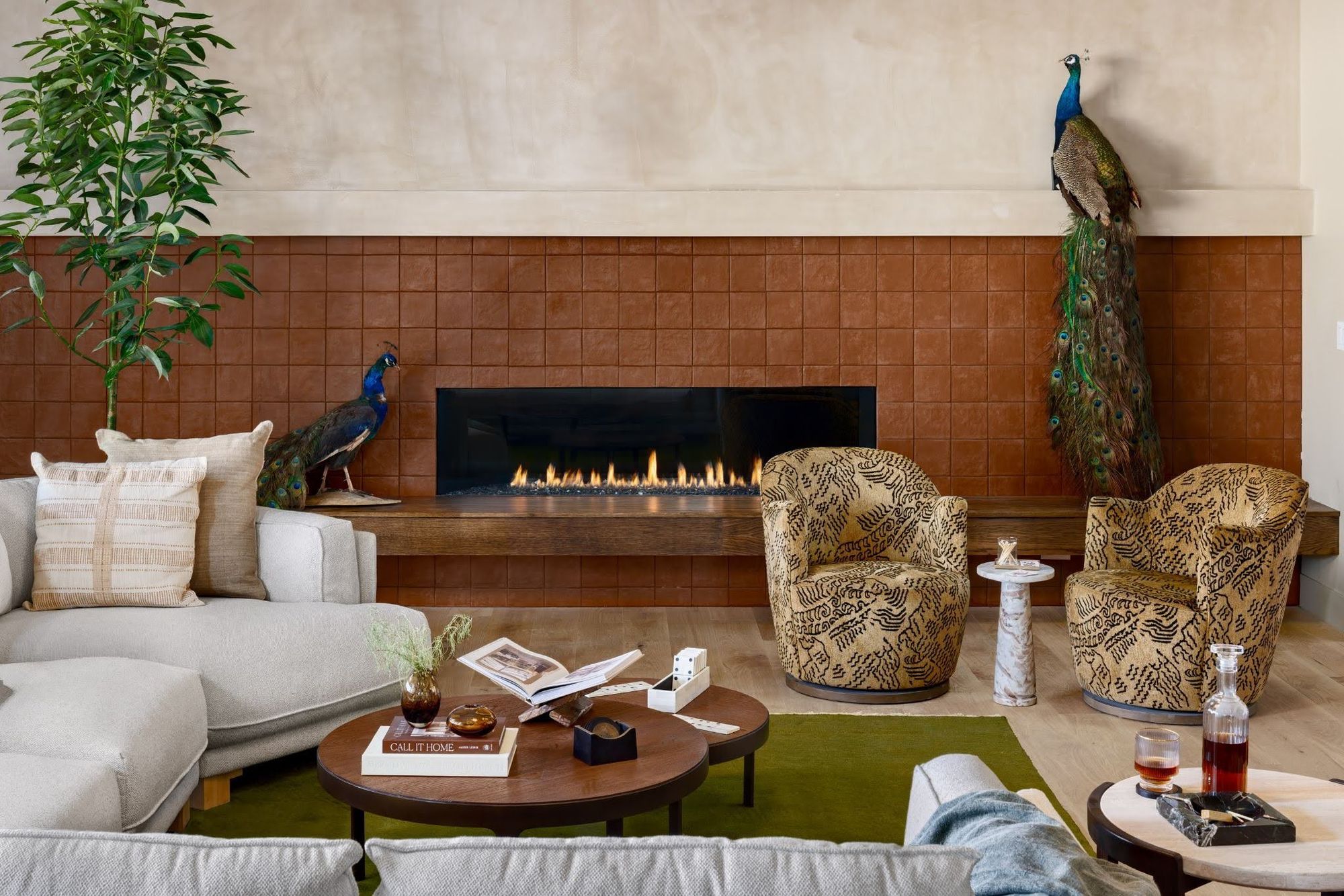
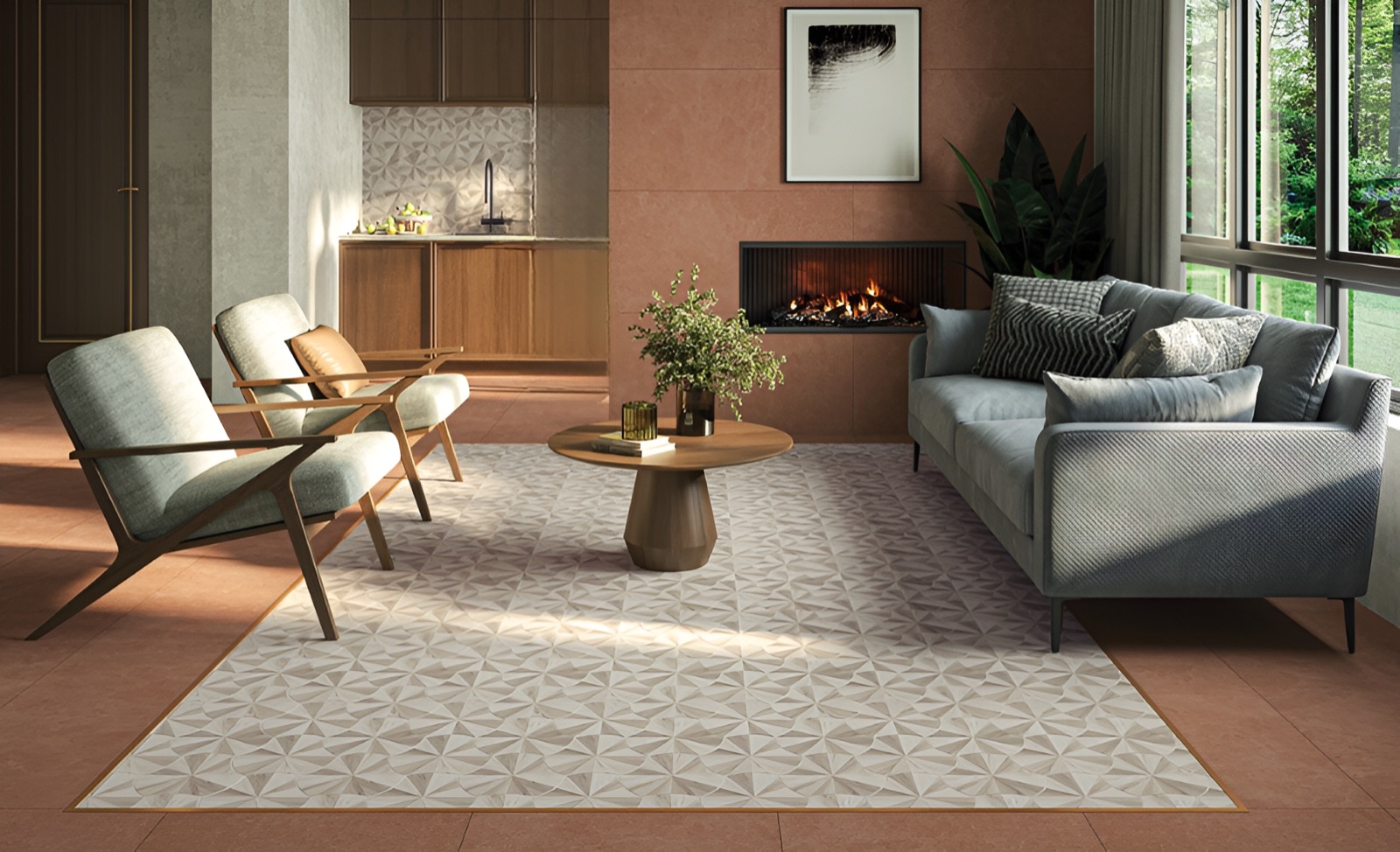
Burnt Umber Claymont by Florida Tile
Look for Connection, Not a Perfect Match
Once you know which features are staying, the next step is figuring out how the new materials should relate to them.
The goal usually isn’t to find tile that perfectly matches an existing floor or fireplace surround. In fact, getting close without actually matching can sometimes make the difference more noticeable.
Instead, look for something the old and new materials can share.
That might be a warm undertone that works with original oak floors, a stone look that feels natural beside a brick fireplace, or a softer finish that balances detailed cabinetry. Wood-look porcelain can also be a smart way to create continuity, especially in areas where you want the warmth of wood with the durability and easy maintenance of tile. Rather than trying to match existing hardwood exactly, look for a tone and grain that complements it. Even one connection can be enough to make materials from different eras feel like they belong in the same room.
This is also where contrast can work in your favor. Dark woodwork may look fresher beside a light, simple tile. A detailed traditional vanity can stand out more against a quieter floor. If the home already has plenty of architectural character, the new tile doesn’t always need to add more.
When we’re comparing samples in the showroom, we’re usually looking for the option that feels comfortable beside what’s already there.
Anatolia’s natural stone offerings are a great fit for this kind of approach because they make it easy to find a connection without forcing an exact match. With marble, limestone, travertine, and other natural stone options in a wide range of colors, textures, and formats, you can look for a shared undertone or level of warmth that works with existing wood floors, cabinetry, brick, or other original details. Larger-format tile can help the space feel a little cleaner and more current, while mosaics and decorative shapes can bring back some of the traditional detail that suits an older home.
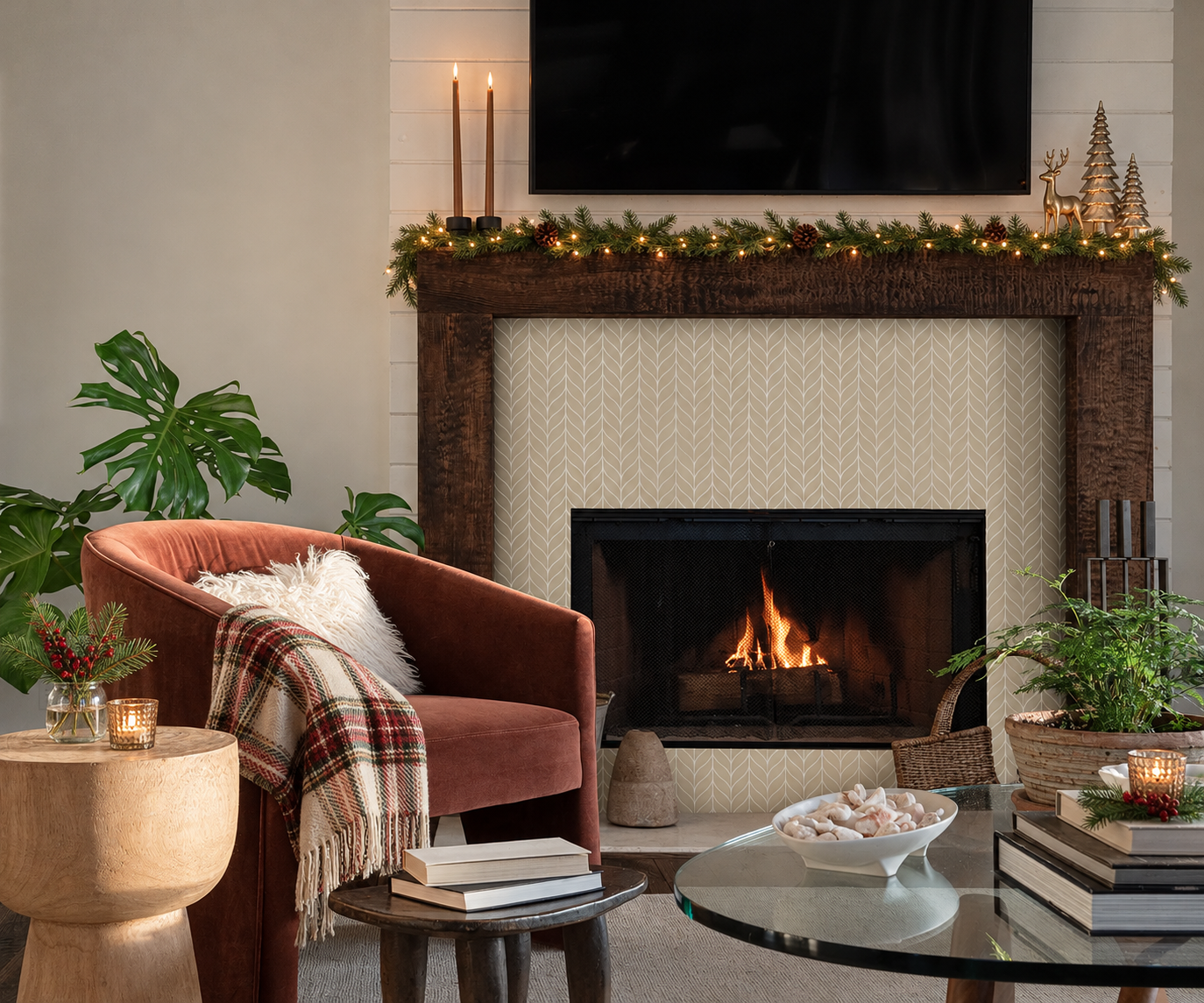
Bombay Stellar by Sonoma Tilemakers
Freshen the Color Palette Before Reinventing the Room
Sometimes it isn’t the traditional style making a room feel dated. It’s the combination of finishes around it.
Dark wood cabinetry, for example, can look completely different paired with a warm ivory backsplash than it does with older beige or brown tile. A classic bathroom vanity may feel right at home beside soft stone-look porcelain, muted green, or a cleaner warm white.
With traditional homes, we tend to like colors that feel natural rather than overly stark.
Think:
- Warm whites and creams
- Taupe, mushroom, and soft beige
- Muted greens and blues
- Terracotta and clay tones
- Natural stone colors
That doesn’t mean you have to avoid stronger color. Deep green, navy, burgundy, or other richer shades can work beautifully in an older home, especially when there are warm woods or traditional details nearby.
The important part is paying attention to undertones. Bring cabinet doors, countertop samples, paint colors, or photos with you when you shop. Seeing everything side by side makes it much easier to tell which direction feels right.
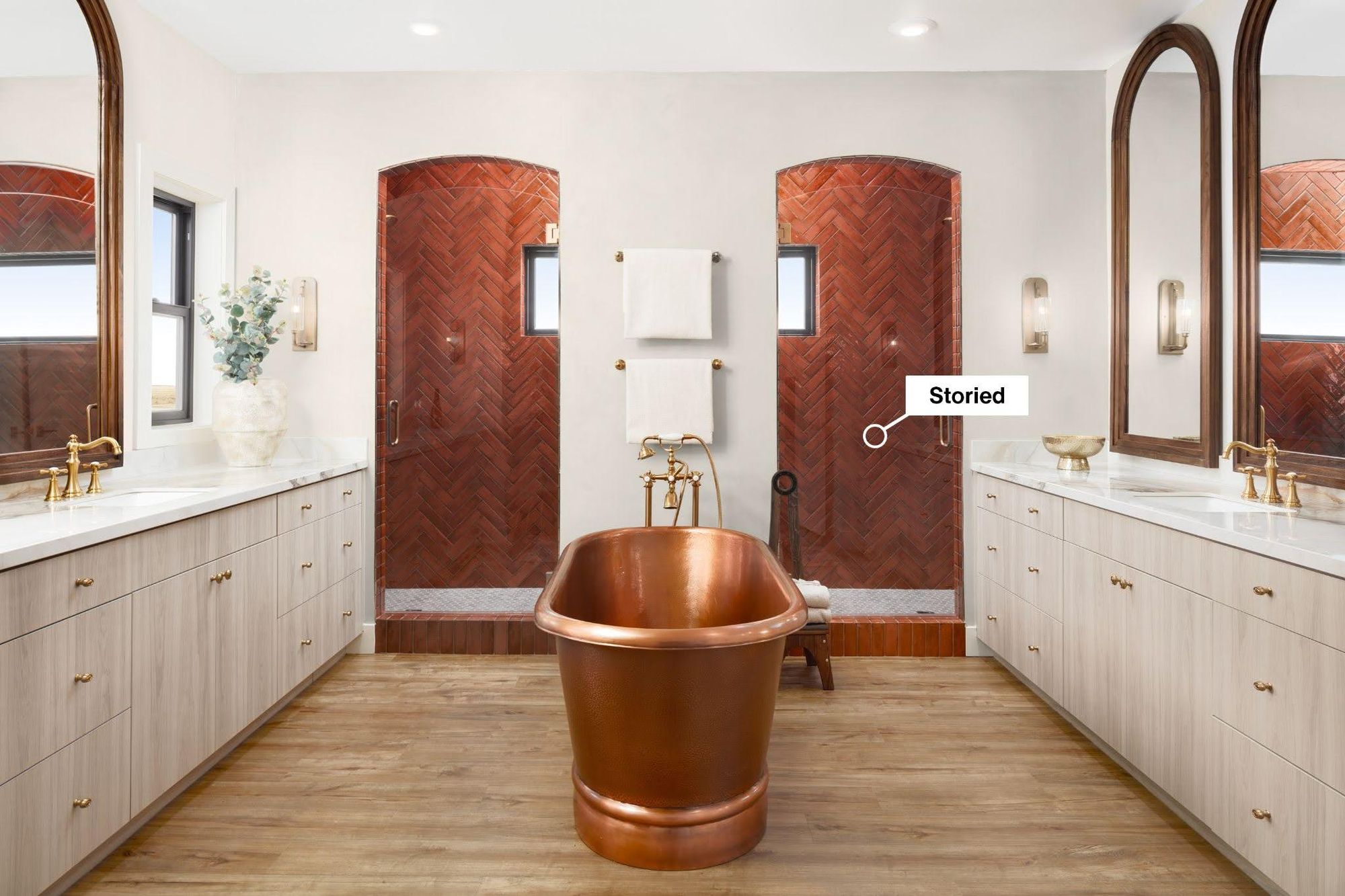
Florida Tile’s Storied Cinnamon brings warmth and character to a modern farmhouse bathroom. Its rich, earthy tones and classic herringbone layout add visual interest, creating a space that feels inviting rather than sterile or overly modern. Featured in HGTV’s’s Rock the Block 2025, this design proves that a classic shape, warmer color, and unexpected layout can make all the difference.
Use Classic Tile—Just a Little Differently
Modernizing a traditional home doesn’t require choosing ultra-modern tile.
Often, one of the easiest approaches is to use a familiar shape in a slightly fresher way.
Take subway tile. It has worked in homes for generations, but a longer rectangle, handmade-look surface, vertical installation, or less expected color can give it a completely different feel.
The same goes for other familiar shapes:
- Squares
- Hexagons
- Herringbone
- Penny rounds
- Basketweave
- Checkerboard
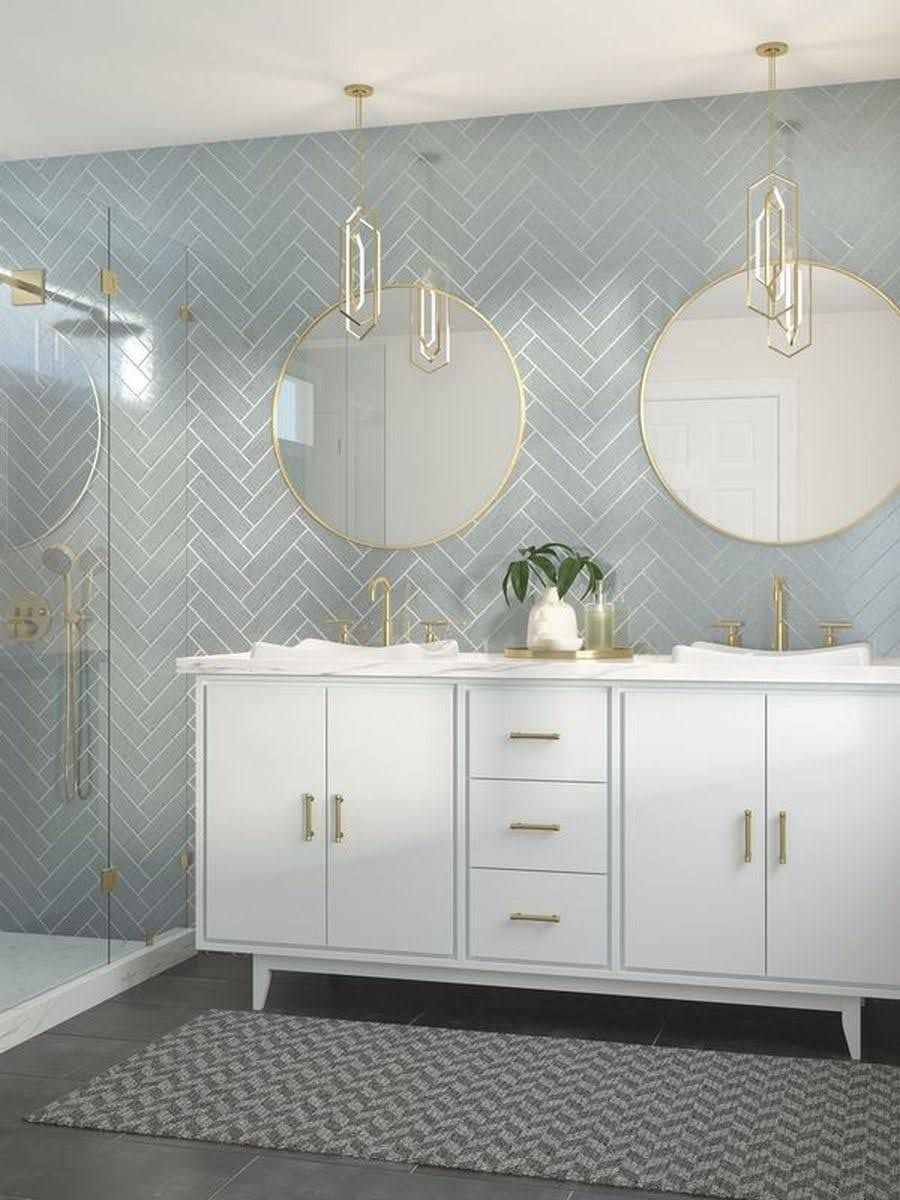
Metro Brix French Grey by Anthology
Classic shape, fresher application: a familiar rectangular tile feels new in a herringbone layout and softer color.
If the home already has a lot of traditional detail, keeping the tile shape simple can create a nice balance. If the architecture is quieter, the tile layout itself can bring in a little more personality.
Grout matters here, too. If you want the tile itself to be the focus, choosing a grout color close to the tile usually creates a quieter, more continuous look. Contrasting grout outlines every piece, which can be great when you intentionally want to emphasize a herringbone, hexagon, or other pattern—but it can also make a room feel busier.
When you’re unsure, look at grout samples directly against the tile rather than choosing from a chart. Even a small shift from bright white to warm white, beige, or soft gray can change the finished look considerably. And remember that grout is practical, too: on floors and other high-traffic areas, a slightly deeper neutral may be easier to live with than a very light grout.
Florida Tile’s mosaic offerings are a great way to bring a classic shape into a space without making the finished room feel overly traditional. Familiar options like hexagons, herringbone, basketweave, penny rounds, and other geometric shapes can add just enough detail to a backsplash, bathroom, entryway, or shower while still working with a more updated palette and surrounding finishes. It’s a good reminder that you don’t necessarily need to reinvent a traditional look—a different color, finish, or application can be enough to make a familiar shape feel fresh.
Let Texture and Pattern Bring Back Some Character
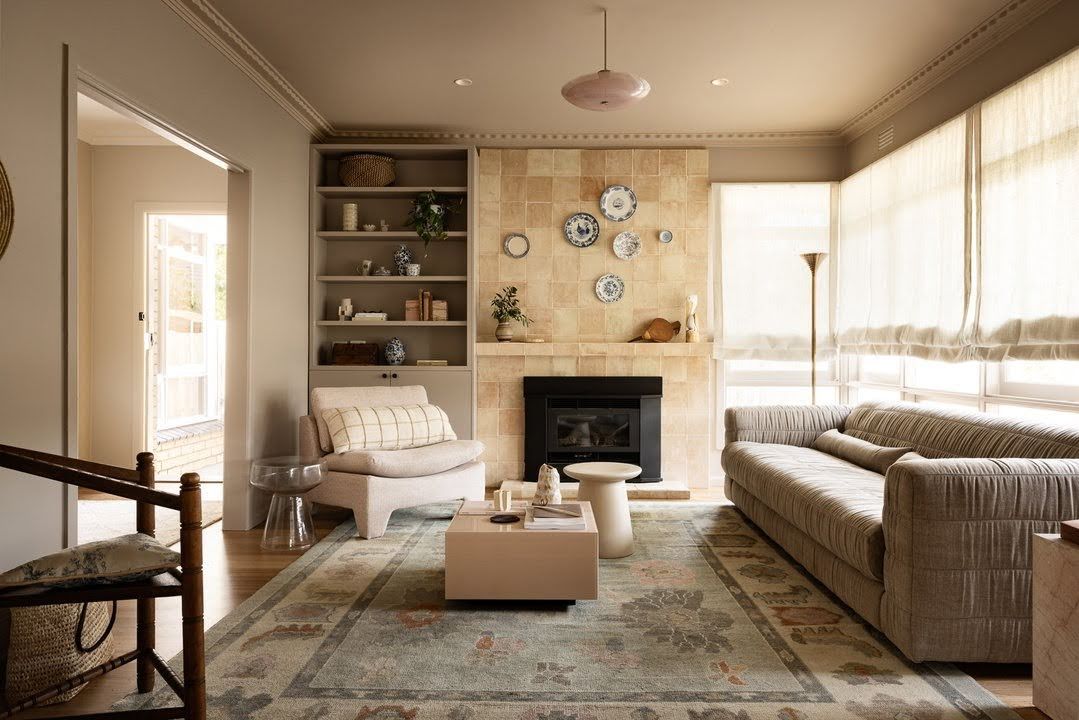
Moroccan Zellige Panel Clay by Tile of Ezra
Character comes from variation: uneven glaze, tonal shifts, texture + handmade edges.
One reason perfectly new materials can sometimes feel out of place in an older home is that older homes usually aren’t perfectly uniform.
Wood has grain. Brick varies. Original finishes have texture and movement.
Tile can bring some of that character back in a controlled way.
Handmade-look ceramic, natural stone, rippled glazes, uneven edges, and subtle shade variation can keep a new backsplash or bathroom from feeling flat or brand-new compared with the rest of the house.
Pattern can do the same thing—but a little usually goes a long way.
A patterned floor in a powder room, decorative fireplace surround, checkerboard entry, or mosaic shower floor can nod to a more traditional style without making the entire room feel busy.
Perfectly uniform isn’t the goal with Tiles of Ezra—and that’s exactly the appeal. Their handmade Moroccan Zellige is full of the small differences that give a surface life: shifts in tone, uneven texture, varied glaze, and edges that feel distinctly handcrafted. In a traditional home, that kind of movement can feel especially natural alongside original woodwork, brick, stone, or other materials that already have their own history and variation. It’s a beautiful way to add something new while keeping the room from feeling too polished or overly “done.”
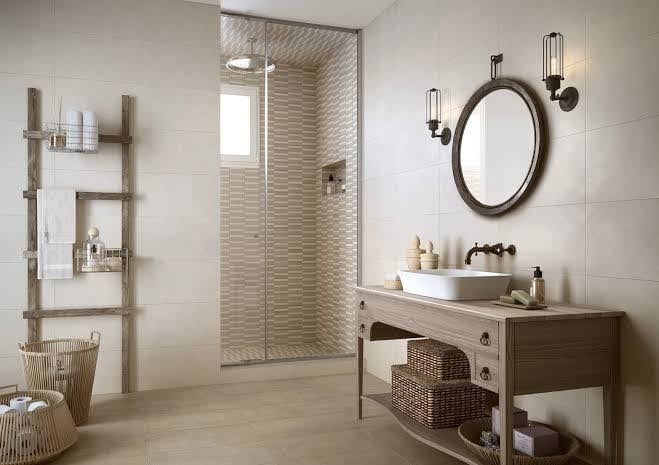
Fray by Atlas Concorde
Use Scale to Make Traditional Spaces Feel Cleaner
One of the simplest ways to make an older home feel more current is changing the scale of the materials.
Large-format tile creates fewer grout lines, which can make a floor or shower feel cleaner and less visually busy. That can be especially helpful in rooms that already have detailed trim, traditional cabinetry, or other architectural elements competing for attention.
But smaller tile still has its place.
A mosaic bathroom floor, smaller ceramic backsplash, or classic patterned tile can feel completely appropriate in an older house. The trick is deciding where you want the detail.
We often think about it as a balance:
If the cabinetry, countertop, or architecture already has plenty going on, let the tile be simpler.
If the room is fairly quiet, that may be your opportunity to use a smaller scale, stronger shape, or more decorative layout.
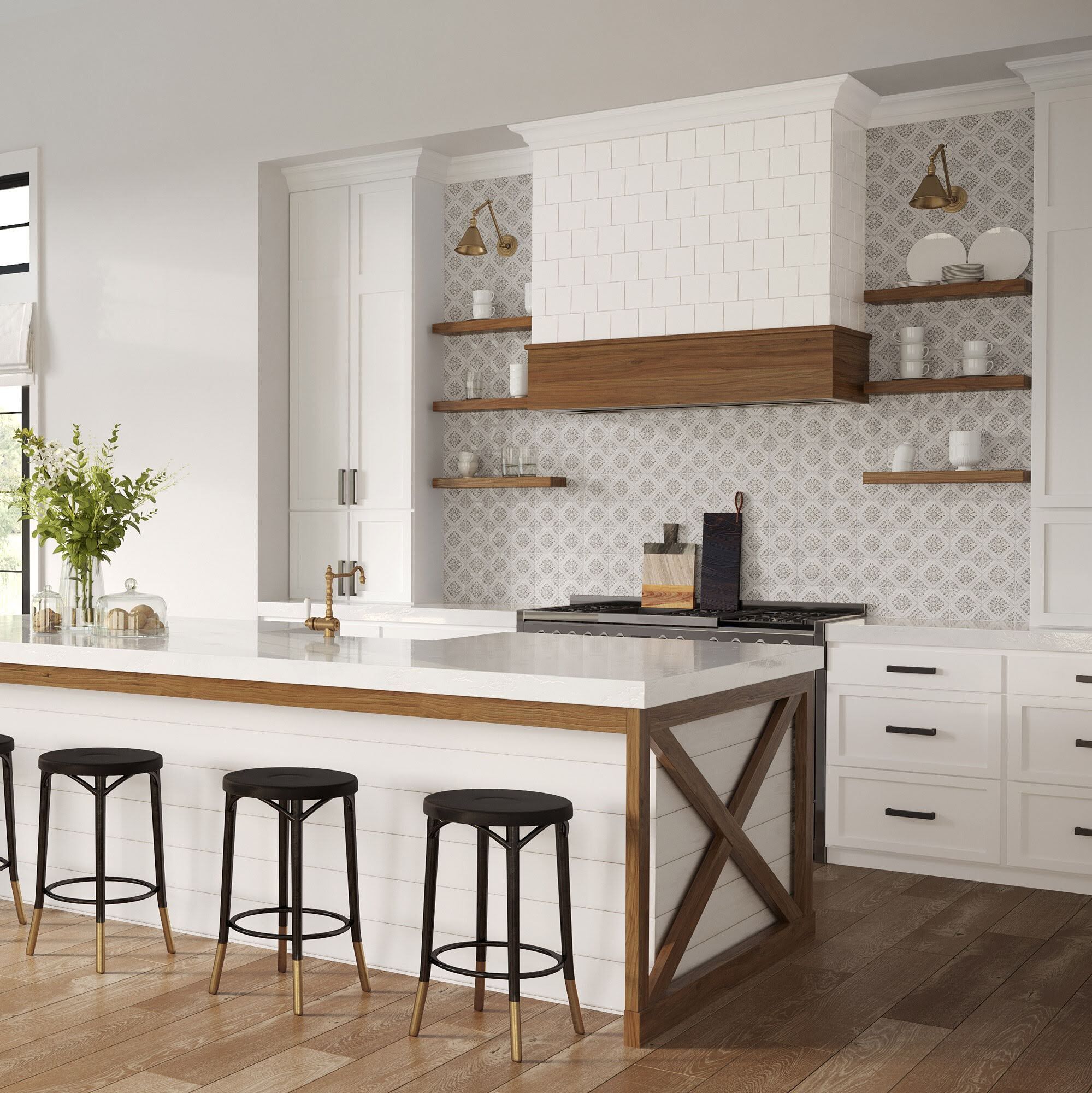
Artistic Impressions Dali Habitat by Anthology
Anthology Tile is a great example of how mixing scale can help a traditional space feel more current without losing detail. Across its collections, you’ll find larger-format tile alongside smaller mosaics, geometric shapes, and decorative options, making it easy to create a cleaner look on larger surfaces while saving more intricate detail for a shower floor, backsplash, niche, or other smaller area. Using those different formats together can keep the room feeling connected without making every surface look exactly the same.
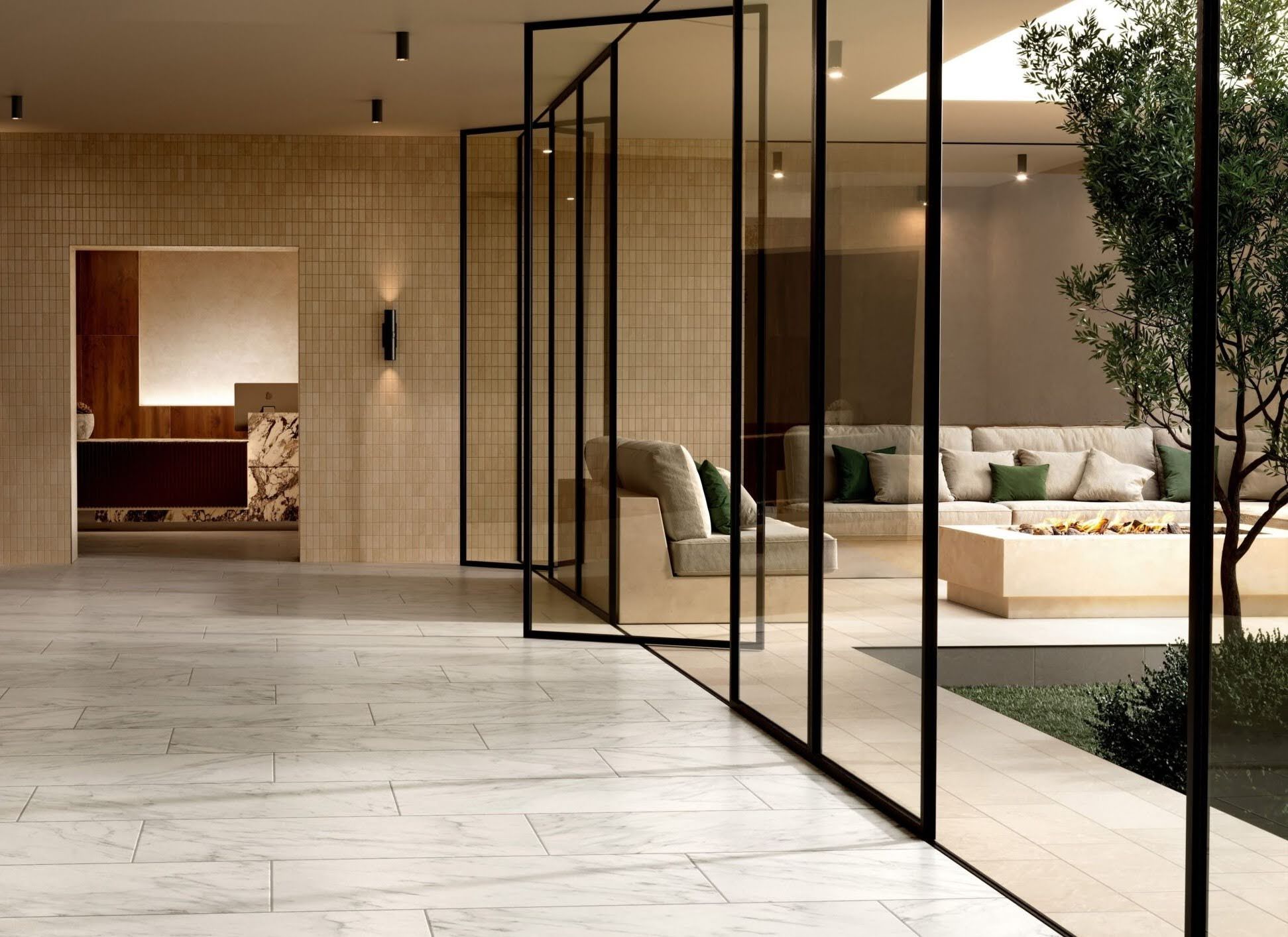
Reunited™ by Crossville
Don’t Forget About the Transition to the Next Room
When you’re replacing tile but keeping the flooring around it, pay attention to where the two materials will actually meet. This is especially important in older homes, where original hardwood may run right up to a kitchen, bathroom, mudroom, or entryway.
Color is only part of the decision. Tile thickness, the height of the finished floor, the direction of the flooring, and the location of the transition all affect how seamless the finished space will feel. Ideally, you want the change in material to happen at a natural stopping point, like a doorway or opening between rooms, rather than somewhere that feels arbitrary.
Bring photos and measurements of adjoining floors when you shop, and if possible, a flooring sample. Looking at the tile next to the material it will actually meet can help you choose a combination that feels intentional—and spot potential transition issues before installation begins.
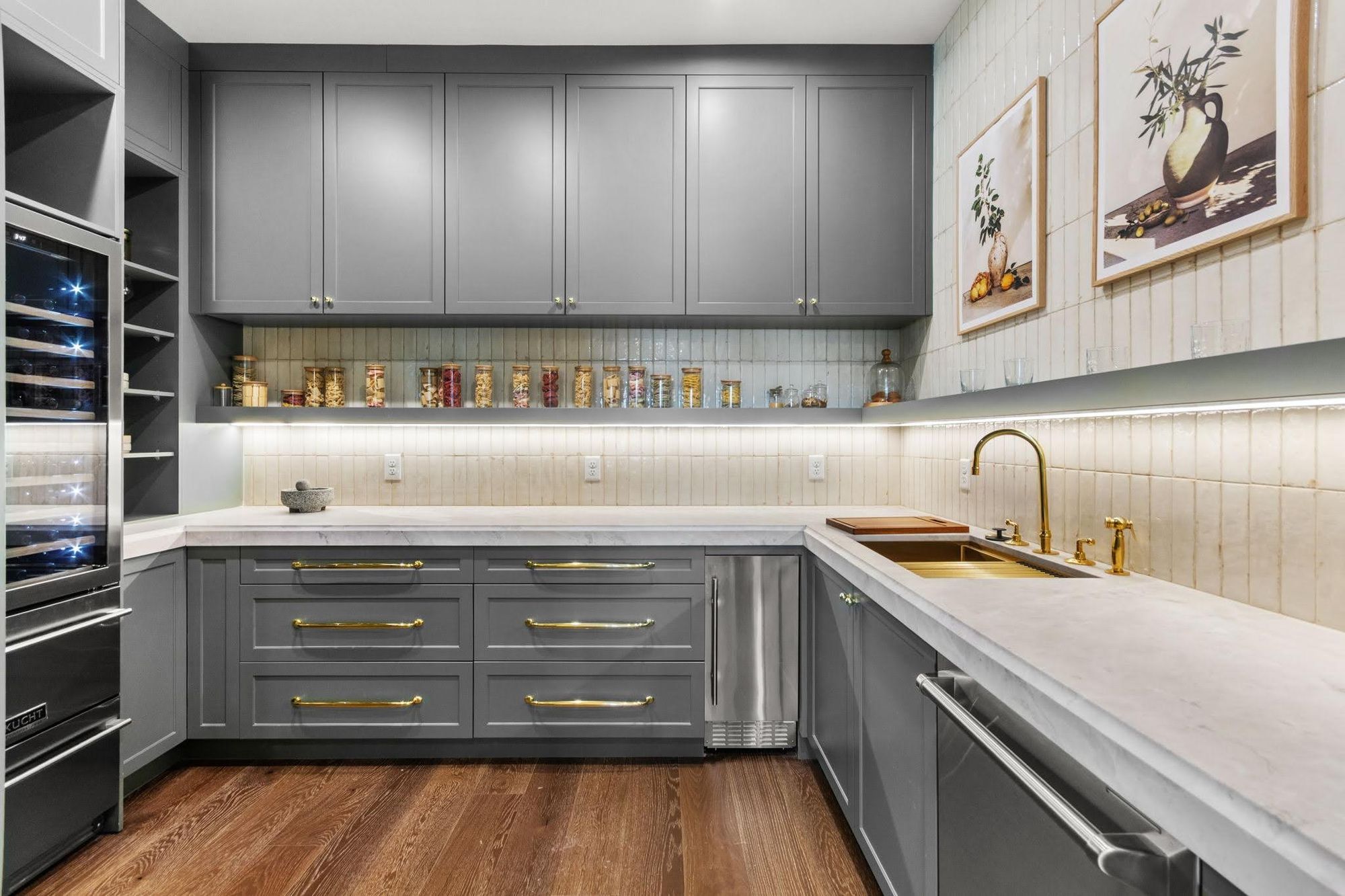
Storied by Florida Tile
Find the Balance That Feels Right for Your Home
Sometimes it’s as simple as replacing an older finish with a warmer neutral, choosing a familiar tile in a cleaner size, or introducing just enough texture to make the new material feel at home beside the old.
That balance will look different in every house—which is part of what makes working with an older or more traditional home interesting.
At Tile Wholesalers of Rochester, we’ve helped generations of local homeowners work through these kinds of decisions. Bring us photos, cabinet doors, countertop samples, paint colors, or anything else you’re working with. Our design team can help you compare options and find tile that updates your space without losing what made it feel like home in the first place.
Visit our showroom to explore tile in person, take home free samples, or schedule a complimentary design consultation with our team.
Ready to See These Materials in Person?
Book a free consultation and let us help you choose the right tile for your project.
Book Appointment